
Neuropathy Treatment in Naples, FL
Locating and Relieving the Source of Nerve Compression


What Is Peripheral Neuropathy?
Neuropathy treatment in Naples, FL at Bergtold Chiropractic addresses numbness, tingling and burning caused by damage or dysfunction in the peripheral nerves, most often the long sensory fibers that reach the feet and hands, and separates compressive causes that respond to spinal care from metabolic causes that need medical management. Dr. James Bergtold, DC treats patients from Naples, Bonita Springs, Estero and Marco Island at Bergtold Chiropractic in Naples.
When you feel burning in both feet at night, socks that seem bunched when they are not, or fingertips that have gone dull enough to drop small objects, you are describing peripheral nerve symptoms rather than ordinary muscle soreness. The pattern usually starts in the toes, spreads upward over months, and eventually shows up in the hands.
Patients often say the numbness is the part that worries them, not the pain. Losing reliable sensation changes how you walk on a wet floor, how confident you feel on a boat deck, and whether you notice a blister before it becomes a wound. Neuropathy has many possible causes, and identifying which one is driving your case is the first thing that has to happen.
- 01 Why Peripheral Neuropathy Happens
- 02 Metabolic Versus Compressive Neuropathy
- 03 What Causes and Worsens Peripheral Neuropathy?
- 04 Why Choose Bergtold Chiropractic for Neuropathy Care in Naples, FL
- 05 Treatment Options Comparison
- 06 You May Be Experiencing Peripheral Neuropathy If...
- 07 Related Services
- 08 Frequently Asked Questions
- 09 Scientific References

Why Peripheral Neuropathy Happens
Peripheral nerves depend on a steady supply of glucose, oxygen and nutrients delivered through tiny vessels called the vasa nervorum. Diabetes is the single most common driver worldwide, and roughly half of people with long-standing diabetes develop some degree of nerve damage. The National Institute of Neurological Disorders and Stroke describes more than 100 recognized types, each with its own cause and course.
Persistently elevated blood sugar damages nerves along two fronts at once. Excess glucose is shunted into the polyol pathway and generates advanced glycation end products, which stiffen the proteins inside nerve fibers, while the small vessels feeding those fibers narrow and reduce blood flow. The result is a slow, symmetrical dying-back of the longest axons, which is why symptoms start in the toes and climb.
Not every case is metabolic. Nerves can also be mechanically crowded where they pass through tight spaces: at a spinal nerve root, under a ligament at the wrist, or behind the knee. That compressive component is the part of the picture conservative care can address, and it is often treated with spinal decompression when a lumbar or cervical level is involved.
Metabolic Versus Compressive Neuropathy
The distinction that matters most is whether your nerves are being starved or squeezed. Metabolic and systemic neuropathies, including diabetic, chemotherapy-related, thyroid, autoimmune and B12 deficiency cases, are medical conditions that require management by a physician. Blood sugar control, medication review, lab work and nutritional correction sit with your primary care doctor or endocrinologist, and no chiropractic or laser treatment substitutes for that.
Compressive nerve problems are a different mechanism and often get confused with neuropathy because the symptoms overlap. A single pinched nerve produces symptoms at one specific spinal level, carpal tunnel syndrome affects the median nerve at the wrist and typically spares the little finger, and radiating arm and leg pain follows one nerve root down one limb. True peripheral neuropathy is usually bilateral, symmetrical, and worse at the far ends of both feet or both hands.
Many patients have both at once: a metabolic neuropathy that lowers the nerve's tolerance, plus a compressive site that pushes it over the line. That double crush is why some people get meaningful relief when the mechanical piece is unloaded, even though the underlying nerve damage remains. Care here is supportive, aimed at symptoms and at any compressive component, and it is not a cure for nerve damage.
What Causes and Worsens Peripheral Neuropathy?
Identifying Your Triggers
Diabetes and Prediabetes
Elevated blood glucose damages small nerve fibers and the vessels feeding them, the most common cause of peripheral neuropathy.
Nerve Compression
Crowding at a spinal nerve root, the wrist or behind the knee adds mechanical pressure on nerves that are already vulnerable.
Vitamin B12 Deficiency
Low B12, sometimes from metformin or acid-reducing medication, impairs the myelin sheath that insulates nerve fibers.
Chemotherapy and Medications
Certain chemotherapy agents and other drugs are directly toxic to sensory nerves and can leave lasting numbness and burning.
Alcohol and Nutrition
Heavy alcohol use and poor nutrient absorption deprive nerves of the thiamine and folate they need to maintain themselves.
Thyroid and Autoimmune Disease
Hypothyroidism, rheumatoid arthritis and other autoimmune conditions can inflame or slow the peripheral nervous system.
Why Choose Bergtold Chiropractic for Neuropathy Care in Naples, FL
Expert Care in Naples
Honest Scope of Care
We treat the compressive and symptomatic side of nerve damage and refer the metabolic side to your physician. No cure claims.
On-Site X-Ray Diagnostics
Imaging at the Naples office helps identify whether a cervical or lumbar level is contributing to your hand or foot symptoms.
MLS Robotic Laser Certified
Dr. Bergtold is certified in MLS robotic laser operation, used here for symptom relief rather than nerve regeneration.
Unhurried Appointments
No rushed visits and no band-aid fixes. We re-check sensation and adjust the plan as your symptoms change.
Decompression When Indicated
Hill DT cervical and lumbar decompression is available here when imaging and exam point to a compressed nerve root.
Rated 5.0 by Patients
A 5.0 Google rating from more than 200 Naples reviews, with major insurance accepted and CareCredit financing available.
Treatment Options Comparison
You May Be Experiencing Peripheral Neuropathy If...
Recognizing When to Seek Help
Burning at Night
Your feet burn or sting most in the evening and in bed, and the sheets touching your skin feels unpleasant.
Symptoms in Both Feet
Numbness and tingling affect both feet fairly evenly and started in the toes rather than in one leg.
Pins and Needles in Hands
Fingertips buzz or feel dull, buttons and coins get harder to manage, and the sensation is present in both hands.
Loss of Protective Sensation
You cannot reliably feel a pebble in your shoe, hot bath water, or a blister forming on the ball of your foot.
Unsteady Balance
Walking in the dark or on uneven ground feels risky because your feet are no longer reporting where the floor is.
Red Flag Symptoms
Sudden onset, muscle weakness, or a foot wound that will not heal needs prompt medical evaluation, not conservative care first.
Related Services
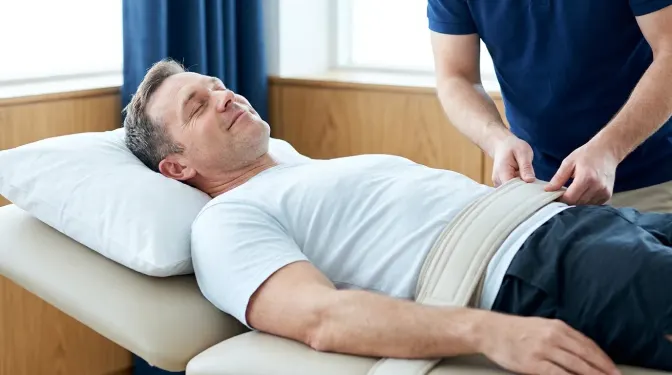
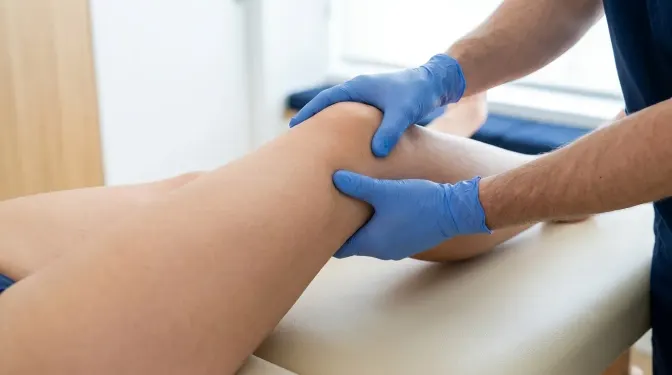
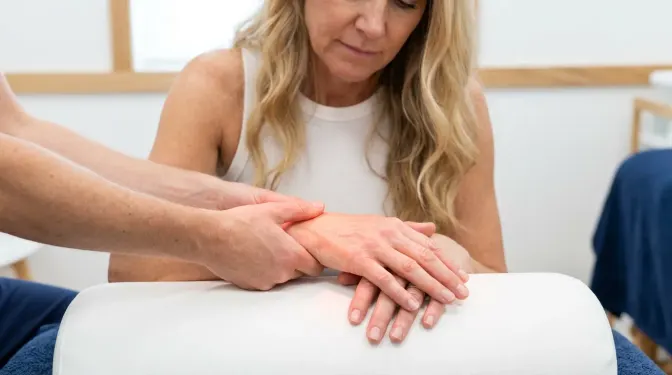
Supportive, non-surgical care we use for nerve symptoms in Naples.
Frequently Asked Questions
About Numbness and Neuropathy
Can chiropractic care cure peripheral neuropathy?
No. Nerve damage from diabetes, chemotherapy or a nutritional deficiency is a medical condition, and conservative care does not reverse it. What we can address is the compressive component when one exists, and the day-to-day symptom burden. Any honest plan for nerve damage runs alongside your physician's management of the underlying cause, not instead of it.
How is neuropathy different from a pinched nerve or carpal tunnel?
Peripheral neuropathy usually affects both feet or both hands symmetrically and starts at the far ends. A pinched nerve involves one specific spinal level and typically follows one limb. Carpal tunnel affects the median nerve at the wrist and usually spares the little finger. The distribution of your symptoms is what separates them, and the exam is built around that.
When should I see a doctor instead of a chiropractor?
Seek medical evaluation promptly for numbness that came on suddenly, for muscle weakness or foot drop, for a foot wound or sore that will not heal, and for symptoms that are spreading quickly. Nerve damage also warrants blood work to check glucose, B12, thyroid and kidney function. We refer for that workup rather than working around it.
How long before I notice any change in my symptoms?
Patients who have a compressive component often report changes within three to eight weeks. Symptom-directed laser care is typically evaluated over four to twelve weeks. Results vary considerably with how long the nerves have been affected and how well the underlying cause is controlled. If nothing has shifted after a reasonable trial, we say so and stop.
Does laser therapy actually help diabetic neuropathy?
Studies of photobiomodulation report improvements in neuropathic pain scores and some measures of nerve conduction, though the evidence base is still limited and the trials are small. We present it as a reasonable option for symptom relief in appropriate cases, not as a way to regenerate damaged nerves or replace glucose control.
What can I do at home to protect my feet?
Check both feet daily for cuts, blisters and pressure spots, since numb skin will not warn you. Test bath water with your hand or elbow. Wear shoes indoors and outdoors, keep blood sugar within the range your physician sets, and report any wound that has not started healing within a few days.
Does insurance cover neuropathy care at your Naples office?
We accept Blue Cross Blue Shield, Aetna, Medicare, Medicare Advantage, UnitedHealthcare and Cigna, and coverage for laser and decompression varies by plan. CareCredit financing is available for anything not covered. Cost depends on how many visits and which therapies your case needs, so call (239) 593-6788 and we will review your benefits first.
Schedule Your Consultation
Scientific References
- Castelli et al., Am Fam Physician. (2020). Peripheral Neuropathy: Evaluation and Differential Diagnosis. PMID: 33320513.
- Zhu et al., Front Endocrinol (Lausanne). (2023). Diabetic peripheral neuropathy: pathogenetic mechanisms and treatment. PMID: 38264279.
- Sloan et al., Nat Rev Endocrinol. (2021). Pathogenesis, diagnosis and clinical management of diabetic sensorimotor peripheral neuropathy. PMID: 34050323.
- Korada et al., Curr Diabetes Rev. (2023). Effectiveness of Photobiomodulation Therapy on Neuropathic Pain, Nerve Conduction and Plantar Pressure Distribution in Diabetic Peripheral Neuropathy - A Systematic Review. PMID: 37622461.
- Wang et al., BMJ Open. (2022). Low level light therapy/photobiomodulation for diabetic peripheral neuropathy: protocol of a systematic review and meta-analysis. PMID: 36104132.
- National Institute of Neurological Disorders and Stroke. (2024). Peripheral neuropathy covers more than 100 nerve disorders, and treatment is directed at the underlying cause along with symptom management.