
Pelvic Floor Therapy in Naples, FL
Non-Invasive Treatment for Bladder Control and Core Strength
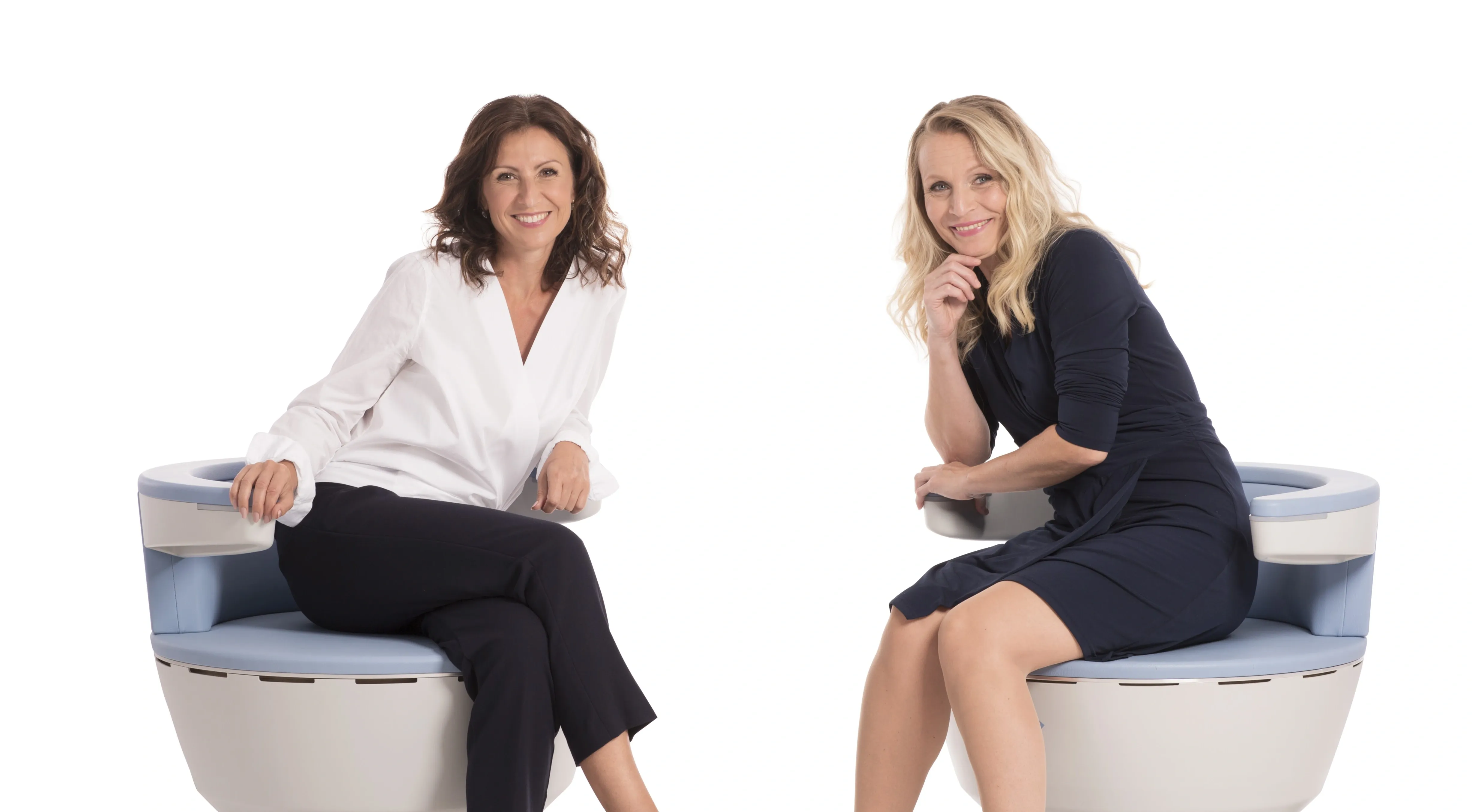
Pelvic Floor Therapy You Sit Through Fully Clothed
Pelvic floor therapy in Naples, FL with Emsella is a non-invasive treatment in which you sit fully clothed on a chair that delivers electromagnetic pulses to the pelvic floor, producing thousands of muscle contractions per session to restore bladder control and core support. Sessions take about 28 minutes with no downtime.
Dr. James Bergtold, DC has treated more than 5,000 patients across 25+ years of practice, and he brought Emsella into the wellness side of the clinic because bladder control is a muscle problem before it is anything else. The same pelvic floor that closes the urethra also helps stabilize the pelvis and the lower spine, which is familiar territory in a chiropractic office. Bergtold Chiropractic welcomes patients from Naples, Bonita Springs, Estero and Marco Island at our Park Central Court clinic in Naples.
When Bladder Leaks Call for Pelvic Floor Therapy
You plan your day around bathrooms. You skip the trampoline with the grandchildren, brace before you sneeze, keep a change of clothes in the car, and wear a pad on days you would rather not. Around one in three women and a substantial number of men live with some form of urinary incontinence, and most wait years before raising it with anyone. It is common, it is not an unavoidable part of getting older, and it is not something you should have to manage quietly on your own.
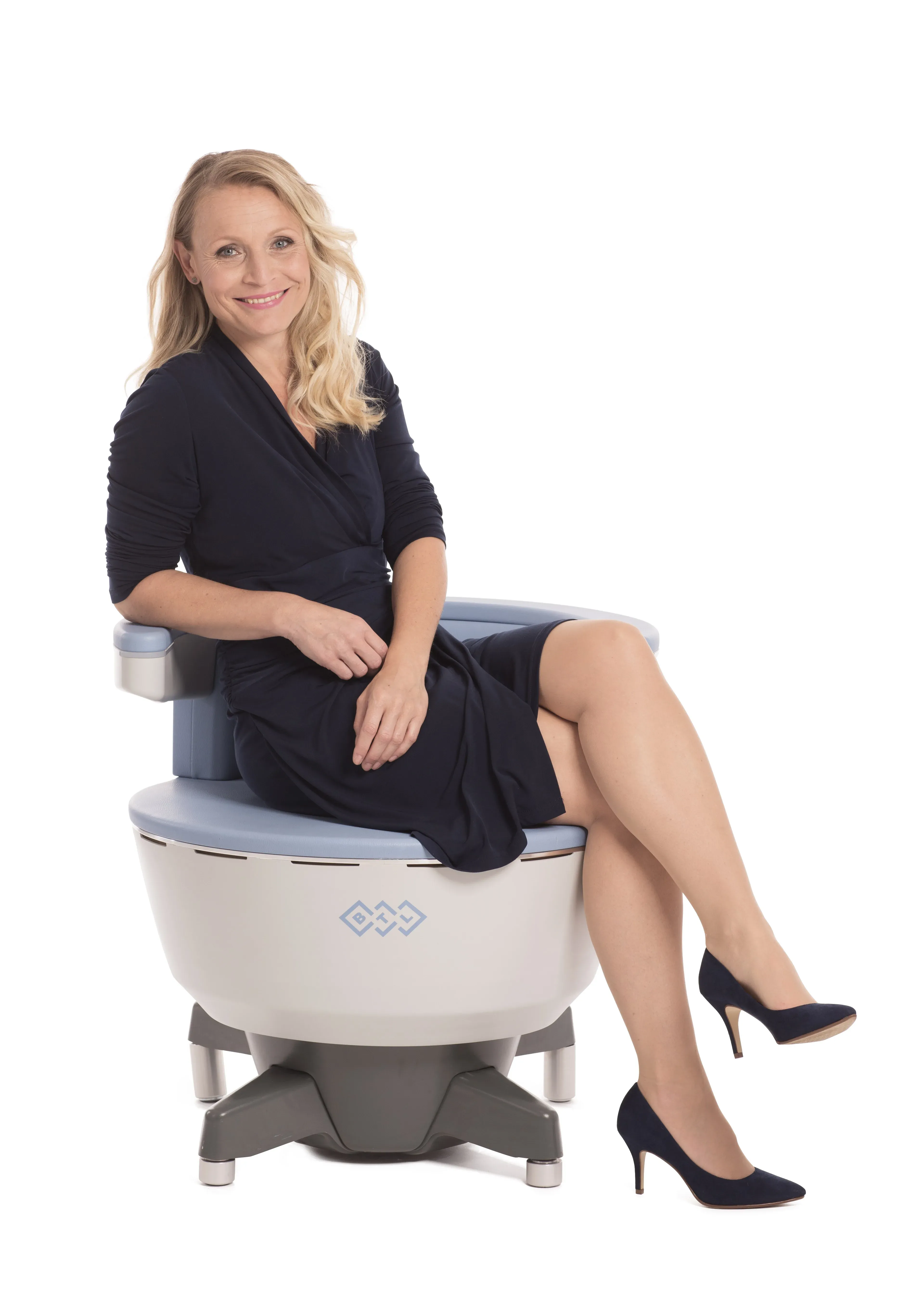
Pelvic floor therapy addresses the cause: muscles that no longer contract hard enough or quickly enough to keep the urethra closed when pressure rises. The Emsella chair uses focused electromagnetic energy that passes straight through clothing and skin and triggers supramaximal contractions, meaning contractions stronger than you can produce voluntarily. One 28-minute session delivers thousands of them, far more than a person can perform correctly on their own, and most patients simply sit and read through it.
What Is Pelvic Floor Therapy?
The Science of HIFEM Stimulation
Pelvic floor therapy strengthens the sling of muscle that supports the bladder and controls urination. At our Naples clinic it is delivered with the BTL Emsella, a chair cleared by the FDA for treating urinary incontinence in women and men. You sit on it fully clothed.
The chair uses High Intensity Focused Electromagnetic energy, or HIFEM, which stimulates the motor nerves driving the pelvic floor rather than the skin above it. That produces roughly 11,000 supramaximal contractions in 28 minutes. Strength builds across a course, and the same technology drives Emsculpt Neo.
Pelvic Floor Therapy Treatment Areas
Bladder Control and Pelvic Support
Stress Incontinence
Leaks that come with a cough, sneeze, laugh, lift or run
Urge Incontinence
Sudden urgency and frequent trips, including overnight waking
Postpartum Weakness
A pelvic floor stretched and weakened by pregnancy and delivery
Menopausal Changes
Loss of pelvic muscle tone and support after menopause
Men After Prostate Surgery
Bladder control retraining once your surgeon clears you
Deep Core Support
Pelvic floor strength that helps stabilize the pelvis and low back

Benefits of Pelvic Floor Therapy
Control Without Surgery






- 01
Stay Fully Clothed
You sit on the chair dressed, with nothing removed or inserted
- 02
Thousands of Contractions
About 11,000 supramaximal contractions in one 28-minute session
- 03
Reaches What Kegels Miss
Contracts the whole pelvic floor, including muscles hard to isolate
- 04
No Downtime
Drive yourself home and return to your day immediately
- 05
Non-Invasive and Drug-Free
No needles, no catheter, no surgery and no medication
- 06
Supports the Low Back
A stronger pelvic floor helps the pelvis and spine hold position
Pelvic Floor Therapy vs. Alternatives

Who Is a Good Candidate for Pelvic Floor Therapy?
Finding Your Bladder Control
Ideal Candidates for Pelvic Floor Therapy
- Women leaking with a cough, sneeze, laugh, lift or workout
- Women whose pelvic floor weakened after pregnancy, delivery or menopause
- Men working on bladder control after prostate surgery, once their surgeon has cleared them
- Anyone who finds Kegels difficult to perform correctly or hard to keep up
- Patients with pelvic instability or back pain whose exam shows a weak pelvic floor and deep core
- People who want a non-invasive starting point before considering surgery
Who Should Wait or Avoid Pelvic Floor Therapy
- Anyone with a cardiac pacemaker, implanted defibrillator, neurostimulator or drug pump
- Metal implants in the pelvis or hip, including joint replacements, screws and plates
- A copper intrauterine device, which should be discussed with your gynecologist first
- Pregnancy, and the postpartum period until your physician clears you
- Active malignancy, fever, a bleeding disorder or recent pelvic surgery
- Epilepsy or a significant heart rhythm disorder
What Happens During Pelvic Floor Therapy
Step-by-Step Process
- 01
Assessment
Dr. Bergtold reviews your symptoms, history, medications and any implants that would rule the chair out.
- 02
Baseline
You log leaks, urgency and pad use for a few days so progress is measured against real numbers.
- 03
Seating
Daniela shows you how to sit centered on the Emsella chair, fully clothed, and sets your starting intensity.
- 04
Session
Intensity climbs gradually across 28 minutes while the pelvic floor contracts and releases beneath you.
- 05
After the Session
You stand up and drive yourself home, with no downtime and nothing to recover from.
- 06
Recheck
Dr. Bergtold tracks leaks, urgency and pad use between visits and adjusts intensity as strength builds.
Risks and Side Effects
What to Know
Common Pelvic Floor Therapy Side Effects
Emsella is well tolerated and most patients report nothing at all afterward. The effects we hear about are mild pelvic muscle fatigue or soreness for a few hours, a tingling sensation during the session, and occasional muscle twitching as the intensity rises. These typically settle the same day without any treatment. Intensity is lowered at once if the sensation becomes uncomfortable.
Rare Complications
Reported complications are uncommon in the published studies. A small number of patients describe transient joint or muscle pain in the pelvis or low back, and a few feel light-headed on standing after a session. Treatment during menstruation may be less comfortable. Report any pain that lasts more than a day or two, and any new blood in your urine, rather than waiting for the next visit.
Safety and FDA Status
The Emsella chair is regulated by the U.S. Food and Drug Administration as a cleared medical device for the treatment of urinary incontinence. Screening is what keeps it safe: implanted electronic devices, metal in the pelvis, pregnancy and active malignancy all rule out treatment, and Dr. Bergtold checks for each of them in person before your first session.
Pelvic Floor Therapy Cost in Naples
Pricing and Payment Options
How Much Does Pelvic Floor Therapy Cost in Naples?
Cost depends on how many sessions your symptoms call for, whether you need maintenance sessions later, and whether Emsella sits inside a wider care plan with adjustments or other therapy. A standard course is six sessions over about three weeks, so we quote a plan rather than a single visit fee. Call (239) 593-6788 and our team will give you a clear number before anything is scheduled.
Insurance and Coverage
Health plans generally do not cover HIFEM pelvic floor treatment, so plan for it as an out-of-pocket service. We do accept Blue Cross Blue Shield, Aetna, Medicare, Medicare Advantage, UnitedHealthcare and Cigna for the chiropractic care many patients receive alongside it. Marnie at the front desk will separate what your plan covers from what it does not before you commit to anything.
Flexible Payment Options
- CareCredit - healthcare financing with monthly payment plans, applied for online or at the front desk
- Written treatment plans - the full course quoted up front so you know the total before session one
Patients who are also treating a deconditioned core sometimes combine a course with Emsculpt Neo or with regular chiropractic adjustments, and we price the combination as one plan rather than as separate services.





Why Choose Bergtold Chiropractic for Pelvic Floor Therapy in Naples, FL
Naples Trusted Provider
Discussed Plainly
A direct clinical conversation about bladder control, no awkwardness
More Than Two Decades of Care
More than 5,000 patients treated across 25+ years of practice
Screened in Person
Dr. Bergtold reviews implants, history and symptoms before session one
Private and Comfortable
Your own treatment room, fully clothed, with a bilingual team
Rated 5.0 by Patients
A 5.0 Google rating from more than 200 Naples patient reviews
Care Under One Roof
Pelvic floor work sits beside adjustments, laser and decompression
Related Treatments
Treatments that pair well with pelvic floor therapy in Naples.



Frequently Asked Questions About Pelvic Floor Therapy
Your Questions Answered
How much does pelvic floor therapy cost in Naples?
Cost is quoted as a course rather than per visit, because a standard plan is six sessions over about three weeks. Your symptoms, the number of sessions and any care you receive alongside it change the total. Call (239) 593-6788 and our team will give you a clear figure and explain CareCredit financing before you book.
Do I have to undress for the Emsella chair?
No. You stay fully clothed for the entire session. Nothing is removed, nothing is inserted and no gel or probe is used. The electromagnetic field passes straight through clothing and skin to reach the pelvic floor muscles. You sit in a private treatment room and can read or use your phone while the session runs.
Does pelvic floor therapy hurt?
No, though the sensation is unusual at first. You feel a tingling and a strong pulling as the pelvic floor contracts and releases underneath you, closer to a workout than to pain. Intensity starts low and is raised gradually to your tolerance, and you can ask for it to be reduced at any point in the session.
How long does an Emsella session take?
Twenty-eight minutes in the chair. Add a few minutes either side for seating and a quick check-in, and most patients are in and out of the clinic within 45 minutes. There is nothing to prepare beyond emptying your bladder first, and no recovery time afterward, so you can drive yourself home.
How many pelvic floor therapy sessions do I need?
Six sessions over about three weeks is the standard course, usually two per week. Some patients with long-standing symptoms need more. Many return for a single maintenance session every few months to hold what they built, in the same way muscle anywhere else is kept with occasional training.
When will I see results from pelvic floor therapy?
Many patients notice fewer leaks or fewer bathroom trips after two or three sessions, with the fuller change settling about four weeks after the final session. Published studies of HIFEM treatment report improvement in most treated patients. How long symptoms have been present affects the pace, so we track leaks and pad use rather than guessing.
What is the difference between Emsella and Kegel exercises?
Kegels rely on you finding and contracting the right muscles, which many people cannot do accurately without training. Emsella contracts the whole pelvic floor for you, roughly 11,000 times in one session. The two work well together: we usually keep patients on a home program alongside the course rather than replacing it.
Can men have pelvic floor therapy?
Yes. Men use the same chair, fully clothed and seated, most often for bladder control after prostate surgery or for urgency and dribbling that has come on with age. The protocol is identical, with intensity set by tolerance. Men should have clearance from their surgeon or urologist before starting a course.
Can pelvic floor therapy help my back pain?
It can support the muscles that stabilize the pelvis, which work with the deep core to hold the low back steady. Emsella is not a treatment for a disc or joint problem, so Dr. Bergtold examines you first and treats back pain directly where that is what is needed. Some patients pair a course with Emsculpt Neo for the abdominal wall.
Who cannot use the Emsella chair?
Anyone with a pacemaker, implanted defibrillator, neurostimulator or drug pump cannot be treated, and neither can patients with metal implants in the pelvis or hip, including joint replacements. Pregnancy, active cancer, fever, bleeding disorders, epilepsy and recent pelvic surgery also rule it out. A copper IUD needs discussion with your gynecologist first.
Does insurance cover pelvic floor therapy?
Health plans generally do not cover HIFEM pelvic floor treatment, so it is an out-of-pocket service. We accept Blue Cross Blue Shield, Aetna, Medicare, Medicare Advantage, UnitedHealthcare and Cigna for chiropractic care received alongside it, and CareCredit financing is available. Our front desk will separate covered care from self-pay before you commit.
Where can I find pelvic floor therapy near me in Southwest Florida?
Our clinic is at 5385 Park Central Court, Suite 1 in Naples, convenient for patients across Bonita Springs, Estero, Marco Island, Golden Gate and North Naples. Dr. Bergtold assesses your urinary incontinence before any course is discussed. Contact our Naples clinic to arrange an assessment.
Schedule Your Consultation
References
- Samuels et al., Lasers Surg Med. (2019). Safety and Efficacy of a Non-Invasive High-Intensity Focused Electromagnetic Field (HIFEM) Device for Treatment of Urinary Incontinence and Enhancement of Quality of Life. PMID: 31172580.
- Leonardo et al., Neurourol Urodyn. (2025). Noninvasive High-Intensity Focused Electromagnetic Therapy in Women With Urinary Incontinence: A Systematic Review and Meta-Analysis. PMID: 39760417.
- Jongjakapan et al., Int Urogynecol J. (2026). Effectiveness of High-Intensity Focused Electromagnetic (HIFEM) Therapy in Women with Urinary Incontinence. PMID: 41051574.
- Dumoulin et al., Cochrane Database Syst Rev. (2018). Pelvic floor muscle training versus no treatment, or inactive control treatments, for urinary incontinence in women. PMID: 30288727.
- Milsom et al., Climacteric. (2019). The prevalence of urinary incontinence. PMID: 30572737.
- U.S. Food and Drug Administration. (2024). Devices of this class are cleared as medical devices for the treatment of urinary incontinence.