
Sciatica Treatment in Naples, FL
Causes and Non-Surgical Treatment to Relieve Nerve Pain


What Is Sciatica and Why Does It Hurt?
Sciatica treatment in Naples, FL at Bergtold Chiropractic relieves the pattern of radiating pain, tingling or weakness produced when the sciatic nerve, formed by the L4 through S3 nerve roots, is compressed or irritated and sends symptoms from the low back through the buttock and down the leg. Care combines chiropractic adjustments, spinal decompression and cold laser therapy. Dr. James Bergtold, DC treats patients from Naples, Bonita Springs, Estero and Marco Island at Bergtold Chiropractic in Naples.
When you feel a sharp, electric line of pain that starts in the low back or buttock and travels past the knee, that radiating pattern is what separates sciatica from ordinary low back pain. Patients commonly describe burning, pins and needles, or a leg that feels heavy and unreliable.
The drive to Bonita Springs, standing at the sink, and getting out of the car become the moments you brace for. Most cases respond to conservative care, and identifying what is crowding the nerve is the first step toward relief.
- 01 Why Sciatica Happens
- 02 The L4 to S1 Nerve Roots
- 03 What Triggers and Worsens Sciatica?
- 04 Why Choose Bergtold Chiropractic for Sciatica Care in Naples, FL
- 05 Treatment Options Comparison
- 06 You May Be Experiencing Sciatica If...
- 07 Related Services
- 08 Frequently Asked Questions
- 09 Scientific References

Why Sciatica Happens
The sciatic nerve is roughly the width of a finger where it exits the pelvis, and it tolerates very little crowding. The large majority of cases trace back to a lumbar disc that has bulged or herniated into the narrow space where a nerve root leaves the spine. The National Institute of Neurological Disorders and Stroke describes sciatica as a symptom of an underlying spinal problem rather than a condition in itself.
Pressure alone does not explain everything. Displaced disc material releases inflammatory mediators that chemically irritate the nerve root, which is why a small herniation can produce severe leg pain while a larger one sometimes produces very little. Swelling raises pressure inside the nerve, slows its blood supply, and interferes with the signals that carry sensation and drive muscle firing.
Because the source sits in the spine and not in the leg, care aimed only at the painful leg tends to fall short. Dr. Bergtold images the lumbar spine first, then unloads the involved level with spinal decompression, the same mechanical problem that drives a herniated disc.
The L4 to S1 Nerve Roots
The sciatic nerve is a bundle, not a single wire. Fibers from L4, L5, S1, S2 and S3 merge inside the pelvis, and each root carries sensation from a specific strip of skin and drives specific muscles. That map is why the pattern of your pain tells a clinician which spinal level is involved.
An L5 root problem typically sends pain down the outside of the calf into the top of the foot and can weaken the muscles that lift the toes. An S1 root problem usually runs down the back of the calf into the heel and outer foot and can weaken push-off. Numbness that follows one of these bands, rather than the whole leg, points to nerve root compression instead of a general muscle strain.
Spinal stenosis, loss of disc height and facet arthritis narrow the same exits over time, which is why sciatica at 65 often behaves differently from sciatica at 35. On-site X-ray at the Naples office gives Dr. Bergtold the structural picture before care begins, and cases with a strong inflammatory component frequently add cold laser therapy.
What Triggers and Worsens Sciatica?
Identifying Your Triggers
Lumbar Disc Herniation
Disc material pushes into the canal or the exit space and presses directly on an L4, L5 or S1 nerve root.
Spinal Stenosis
Age-related narrowing of the canal and nerve exits leaves less room for the roots, often worse with standing and walking.
Prolonged Sitting
Sitting raises pressure inside the lumbar discs, so long drives and desk days keep an already irritated root compressed.
Piriformis Tension
The sciatic nerve passes under or through the piriformis muscle in the buttock, and a tight or spasming muscle can irritate it.
Lifting and Twisting
Bending and rotating under load is the classic moment a weakened disc gives way, common in yard work, boating and gym lifts.
Pregnancy and Weight Gain
Added front loading shifts the lumbar curve forward and increases pressure on the lower discs and the nerve roots beside them.
Why Choose Bergtold Chiropractic for Sciatica Care in Naples, FL
Expert Care in Naples
On-Site X-Ray Diagnostics
Imaging at the Naples office helps identify the involved lumbar level before any treatment plan is written.
Hill DT Decompression Certified
Dr. Bergtold is certified in cervical and lumbar Hill DT decompression, which unloads the disc in measured cycles.
Root-Cause Treatment Plans
Care targets the spinal segment compressing the nerve, not only the leg where you happen to feel the pain.
Unhurried Appointments
No rushed visits and no band-aid fixes. Progress is re-checked and the plan changes as your symptoms change.
Therapies That Work Together
MLS robotic laser and SoftWave acoustic therapy calm the inflamed tissue around the nerve root between decompression sessions.
Rated 5.0 by Patients
A 5.0 Google rating from more than 200 Naples reviews, with major insurance accepted and CareCredit financing available.
Treatment Options Comparison
You May Be Experiencing Sciatica If...
Recognizing When to Seek Help
Pain Below the Knee
The pain travels past your knee into the calf or foot, which is what separates sciatica from ordinary low back soreness.
One-Sided Symptoms
Symptoms follow one leg rather than both, and the affected side feels distinctly different when you stand or walk.
Electric or Burning Pain
The sensation reads as shooting, burning or electric rather than the dull, muscular ache of a simple strain.
Worse With Sitting
Twenty minutes in the car or at a desk builds the pain, and standing up brings a sharp jolt before it eases off.
Numbness or Tingling
Pins and needles or a numb patch appears along the outside of the calf, the top of the foot or the heel.
Weakness or Foot Drop
Your foot catches on stairs or slaps the floor, or push-off feels unreliable. Weakness warrants prompt evaluation.
Related Services
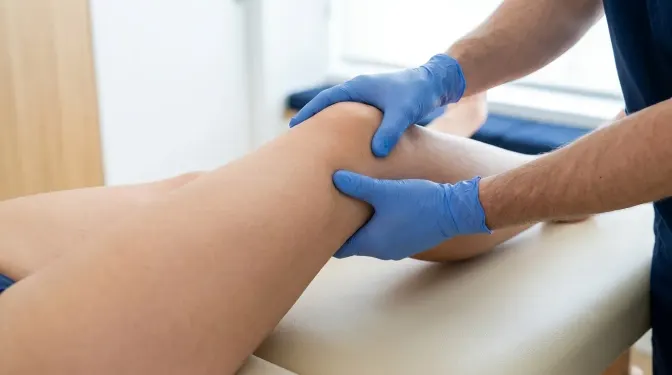
Non-surgical treatments we use for sciatic nerve pain in Naples.

Frequently Asked Questions
About Sciatica
How long does sciatica usually take to get better?
Most sciatica settles within six to twelve weeks with conservative care, and many patients notice the leg pain pulling back toward the low back well before that. The pattern we watch for is centralization: pain that used to reach the foot now stops at the knee. Timelines vary with how long the nerve has been compressed and what is compressing it.
Do I need an MRI or surgery for sciatica?
Most cases require neither. On-site X-ray shows disc height, alignment and arthritic change, which is usually enough to plan conservative care. We refer for MRI or a surgical opinion when symptoms are not improving, when weakness is progressing, or when the clinical picture warrants it. Studies suggest most lumbar disc herniations resorb on their own over several months.
Is walking or resting better for sciatica?
Short, frequent walks typically beat prolonged bed rest. Movement pumps fluid through the disc and keeps the nerve gliding, while more than a day or two of rest tends to stiffen the low back and deconditions the supporting muscles. Sitting is usually the harder position, so break up long drives and desk sessions every 30 minutes.
Can chiropractic care make sciatica worse?
A brief increase in soreness for a day or two after the first visits is common and usually settles quickly. Dr. Bergtold images first specifically to identify cases that need a different approach. If you have progressive leg weakness, numbness in the saddle area, or any loss of bladder or bowel control, seek emergency care rather than a chiropractic visit.
How is sciatica different from general back pain?
Sciatica is nerve pain that radiates along a defined path, usually below the knee, and often brings tingling, numbness or weakness with it. Back pain stays local to the lumbar region and tends to feel achy or muscular. Sciatica is a specific form of pinched nerve, named for the nerve involved.
What can I do at home between visits?
Short walks, changing position every 20 to 30 minutes, and avoiding bent-forward lifting help most patients hold their progress. Ice over the low back can calm an acute flare in the first few days. Dr. Bergtold prescribes specific positions and movements based on which nerve root is involved, since what helps an L5 case can aggravate an S1 case.
Does insurance cover sciatica care at your Naples office?
We accept Blue Cross Blue Shield, Aetna, Medicare, Medicare Advantage, UnitedHealthcare and Cigna, and coverage for decompression varies by plan. CareCredit financing is available for anything not covered. Cost depends on how many visits and which therapies your case needs, so call (239) 593-6788 and we will review your benefits first.
Schedule Your Consultation
Scientific References
- Jensen et al., BMJ. (2019). Diagnosis and treatment of sciatica. PMID: 31744805.
- Ostelo et al., J Physiother. (2020). Physiotherapy management of sciatica. PMID: 32291226.
- Schoenfeld et al., N Engl J Med. (2020). Decision Making for Treatment of Persistent Sciatica. PMID: 32187474.
- Zhong et al., Pain Physician. (2017). Incidence of Spontaneous Resorption of Lumbar Disc Herniation: A Meta-Analysis. PMID: 28072796.
- Demirel et al., J Back Musculoskelet Rehabil. (2017). Regression of lumbar disc herniation by physiotherapy. Does non-surgical spinal decompression therapy make a difference? Double-blind randomized controlled trial. PMID: 28505956.
- National Institute of Neurological Disorders and Stroke. (2024). Sciatica is described as pain radiating along the sciatic nerve caused by an underlying condition such as a herniated disc or spinal stenosis.